Aluminum frames have become a popular choice in modern architecture and construction, thanks to their durability, lightweight nature, and aesthetic appeal. However, the effectiveness of aluminum in building projects https://canvas.instructure.com/eportfolios/4130338/home/why-aluminium-doors-are-becoming-popular-in-london-homes often hinges on how well it is paired with other materials. This combination can influence not only the overall design but also the performance and longevity of structures. Understanding the nuances of integrating aluminum frames with various building materials is essential for architects, builders, and homeowners alike.
The Versatility of Aluminum in Construction
Aluminum as a building material offers several advantages. Its resistance to corrosion makes it suitable for diverse environments, from coastal areas with salty air to urban settings where pollution can take a toll on less durable materials. Moreover, aluminum frames are infinitely recyclable, which aligns well with sustainable building practices.
One of the key attributes that enhance aluminum's utility is its versatility. It can be molded into different shapes and sizes, allowing for creative architectural designs. From sleek window frames to robust door structures, aluminum can accommodate a wide range of styles, blending seamlessly with other materials such as glass, wood, stone, or even concrete.
Why Material Pairing Matters
The pairing of aluminum frames with other building materials significantly affects aesthetics and functionality. For instance, combining aluminum with glass creates expansive views while maintaining structural integrity. Likewise, integrating wood accents can soften the modern appearance of aluminum and introduce warmth into a space.
Consider the role of thermal performance in this context. Aluminum alone may not provide sufficient insulation; however, when paired with insulated glass or composite materials featuring thermal breaks, you achieve better energy efficiency and comfort within buildings. This intersection between style and function underscores why careful material selection is paramount.

Common Building Materials to Pair with Aluminum Frames
When considering how to pair aluminum effectively in your projects, it is important to look at some commonly used materials:
Glass: Often seen in contemporary designs for windows and doors. Wood: An excellent choice for adding warmth or traditional charm. Brick: A classic option that offers durability and timeless character. Concrete: Provides structural strength and modern aesthetic appeal. Steel: Can work well for industrial-style designs while enhancing strength.Each material comes with its own set of benefits and challenges when combined with aluminum frames.
Glass – A Contemporary Classic
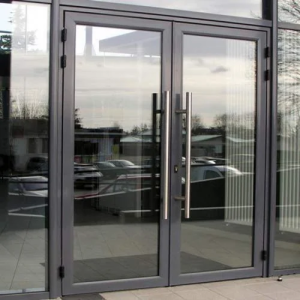
The union of aluminum frames with glass is one of the most prevalent combinations in modern architecture. This duo allows natural light to flood interiors while providing an unobstructed view of the outdoors. Aluminum's strength supports large expanses of glass without compromising safety or structure.
However, attention must be given to thermal insulation properties when using large glass panels within aluminum framing systems. One effective strategy involves using double or triple-glazed units that enhance energy efficiency without sacrificing visibility or beauty.
Wood – A Touch of Warmth
While aluminum has a sleek industrial feel, pairing it with wood can create an inviting atmosphere. Wooden inserts or cladding around aluminum windows or doors add texture and warmth that softens the starkness often associated with metal features.
Care must be taken regarding moisture management when mixing these two materials; untreated wood alongside exposed metal can lead to deterioration over time due to condensation issues. Proper sealing techniques will mitigate this risk while maintaining aesthetic harmony.
Brick – Timeless Elegance
Brick exudes permanence and tradition; when combined with aluminum frames for windows or doors, it presents an elegant contrast between old-world sturdiness and modern design sensibilities. This pairing works particularly well in residential settings where both aesthetics and durability are valued.
The installation process requires careful consideration; ensuring that brickwork complements the finish on the metal frame will create continuity throughout the facade while still allowing each material's qualities to shine through.
Concrete – Modern Minimalism
Concrete's raw texture pairs beautifully with sleek aluminum frames for a minimalist approach typical in urban environments or commercial spaces. This combination provides both functional benefits—such as fire resistance—and visual appeal through their contrasting finishes.
Attention should also focus on weight considerations during installation since concrete elements tend toward heaviness compared to lighter materials like aluminum or glass alone.
Steel – Industrial Edge
Aluminum’s compatibility extends into industrial realms through pairing it with steel components—this mix marries strength with lightweight properties ideal for large structures requiring robust framework support without additional bulkiness.
Incorporating steel reinforcements alongside aluminum framing systems enhances stability while allowing greater freedom in design choices across projects ranging from warehouses to contemporary homes seeking character-driven aesthetics characterized by mixed-material approaches.
Practical Considerations When Pairing Materials
Integrating different building materials requires thoughtful planning beyond just aesthetic preferences—functionality should always remain at the forefront during material selection processes:
- Thermal Performance: As previously mentioned regarding thermal insulation properties; ensure each component works harmoniously together. Moisture Management: Pay attention especially when pairing porous materials (like wood) next to non-porous counterparts (such as metals). Weight Distribution: Consider how heavy certain combinations might affect overall structure integrity during installation phases. Maintenance Requirements: Different materials demand varying levels of upkeep; balance these needs against desired outcomes before finalizing selections.
By assessing these factors beforehand you position your project towards success rather than pitfalls associated down-the-line due poor foresight regarding integration choices made early into planning stages ahead!
Installation Tips for Successful Integration
Once you've selected complementary materials capable of working together effectively there are practical steps involved ensuring smooth installations take place:
1) Ensure accurate measurements throughout all phases from initial dimensions taken before ordering supplies right through final fitting completed once construction commences 2) Utilize high-quality adhesives designed specifically suited towards bonding incompatible surfaces wherever necessary 3) Employ skilled workers familiar handling various types installations assuring accuracy throughout process reducing likelihood errors occurring later down line 4) Account any weather-related concerns impacting timelines—extreme temperatures might hinder adhesive curing times impacting overall quality results achieved 5) Follow manufacturers guidelines closely including recommended tools required complete job efficiently ultimately leading successful outcome desired end result achieved!

Exploring Design Trends Featuring Aluminum Frames
The rising popularity surrounding contemporary architecture has led many designers exploring innovative ways integrate their chosen frameworks into existing landscapes—inspired by evolving tastes among clients seeking unique solutions tailored specifically towards personal preferences expressed via customizations available today!
For example incorporating colored finishes into typical silver-toned matte surfaces traditionally associated would offer fresh perspectives capturing attention striking visuals setting apart ordinary builds enabling them stand out amongst neighboring properties!
Additionally replacing conventional rectangular shapes often utilized standard window configurations introducing asymmetrical designs bringing excitement into otherwise mundane facades enhancing visual interest captivating passersby prompting dialogue surrounding such artistic choices made!
When exploring new ideas don’t shy away experimenting mixtures employing unexpected color palettes textures marrying contrasting elements seamlessly resulting stunning displays showcasing creativity ingenuity exhibited through every detail crafted meticulously over hours spent refining aspirations brought life reality achieved fulfillment gained knowing artistry flourished fully realized potential unfolded before eager eyes beholding marvel laid groundwork future trends await discovery awaiting unveiling next chapter unfolding journey continue onward shaping skyline anew!
Conclusion: The Future Awaits
The future holds immense possibilities when it comes down pairing versatile options like those provided by blending aluminium frames alongside complementary building materials creating lasting impressions fostering connections between inside outside worlds encountered daily! With careful consideration thoughtfulness integrated designs executed flawlessly yield remarkable results transcending expectations delivering satisfaction shared collectively everyone involved journey undertaken together cultivating relationship forged strong foundation built upon mutual respect admiration cultivated throughout process witnessed firsthand achieving greatness heights reached soaring above mediocrity striving excellence prevailing ultimately leaving indelible mark lasting legacy etched forever memories created timeless beauty captured moments cherished eternally!